
Running digital advertisements is easy. Getting meaningful results from them is a different challenge. Many businesses spend money on Google Ads, Facebook campaigns, and other marketing channels without understanding what actually generates customers.
Some receive plenty of clicks but very few enquiries. Others generate leads that never turn into paying customers. These problems often come from poor targeting, weak campaign strategies, and a lack of proper performance tracking.
This is where a performance marketing agency can make a difference. Instead of focusing only on impressions or website traffic, performance marketing connects advertising activities with measurable business goals.
A well-planned strategy helps businesses understand where their money goes, which campaigns perform best, and what needs improvement.
What Is a Performance Marketing Agency?
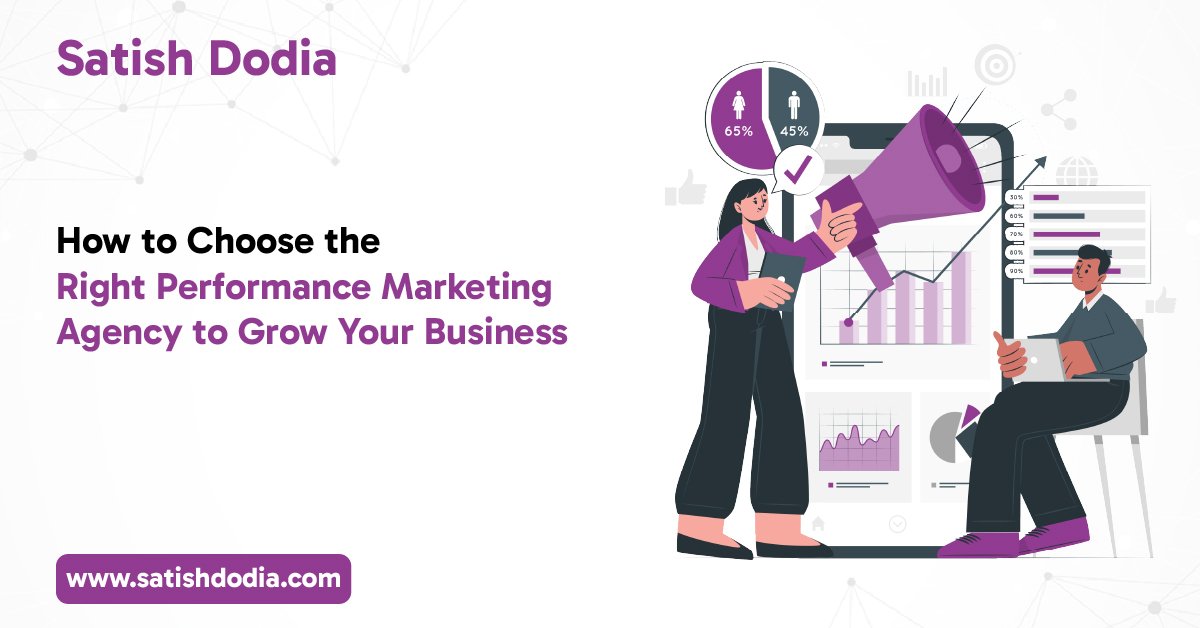
A performance marketing agency helps businesses plan, manage, and optimise digital advertising campaigns based on measurable outcomes. These outcomes may include website enquiries, product purchases, qualified leads, app downloads, or customer registrations.
Unlike marketing approaches that mainly focus on brand visibility, performance marketing places greater emphasis on tracking results and improving campaign performance.
For example, an online store might run advertisements to increase product sales. A professional services company might focus on generating consultation enquiries. Both businesses need different strategies, but their campaigns can be measured against clear objectives.
How Performance Marketing Works
Performance marketing follows a continuous process rather than a one-time advertising setup.
- Goal setting: Identify what the business wants to achieve, such as sales, leads, or registrations.
- Audience research: Understand customer interests, locations, behaviour, and buying intentions.
- Campaign creation: Develop advertisements that communicate the right message.
- Tracking: Monitor clicks, enquiries, purchases, and conversions.
- Optimisation: Improve targeting, creative content, landing pages, and advertising budgets.
- Reporting: Evaluate campaign performance and identify opportunities for improvement.
This approach helps businesses make advertising decisions using actual campaign data.
Performance Marketing vs Traditional Digital Marketing
Both approaches support business growth, but their priorities can differ.
| Traditional digital marketing | Performance marketing |
| Often focuses on brand awareness | Focuses on measurable outcomes |
| May prioritise reach and engagement | Tracks leads, sales, and conversions |
| Results can be harder to attribute | Uses conversion tracking and analytics |
| Supports long-term brand building | Supports measurable campaign optimisation |
These approaches are not competitors. Businesses can combine brand-building activities with performance campaigns for a more balanced marketing strategy.
Why Businesses Are Investing in Performance Marketing
Businesses want to understand whether their marketing investment is producing meaningful results. Performance marketing provides a structured way to evaluate advertising activities.
Better Control Over Advertising Budgets
Every business has different financial priorities. A small company may have a limited advertising budget, while an established organisation may manage several campaigns across multiple platforms.
Performance marketing helps businesses compare campaign results and identify where their budgets are being used effectively.
Instead of increasing spending without a clear reason, marketers can review the data and make informed adjustments.
Measurable Results and Business Growth
Campaign performance should be evaluated through meaningful business outcomes.
For example, receiving 5,000 website visits does not automatically mean a campaign is successful. The more important question is how many visitors became genuine enquiries or customers.
Tracking conversions gives businesses a clearer understanding of campaign effectiveness.
Reaching Customers With High Purchase Intent
Not every online user is ready to purchase. Some are researching options, while others are actively looking for a service.
Platforms such as Google Ads allow businesses to target people searching for relevant products and services. Social advertising can help reach potential customers based on interests, behaviour, and other targeting signals.
The right combination depends on the customer journey and business objectives.
What Services Does a Performance Marketing Agency Offer?
A performance marketing agency may manage several advertising and optimisation activities under one strategy.
Google Ads and PPC Campaign Management
Google Ads allows businesses to appear when potential customers search for relevant products or services.
Campaigns can target specific search terms, locations, and audiences. However, successful advertising requires more than selecting keywords and setting a daily budget.
Important activities include:
- Keyword research and search intent analysis
- Search campaign development
- Negative keyword management
- Ad copy testing
- Conversion tracking
- Budget optimisation
A properly managed PPC campaign aims to attract relevant visitors rather than simply increasing clicks.
Facebook and Instagram Advertising
Facebook and Instagram offer opportunities to reach potential customers through visual and engaging advertisements.
Businesses can use these platforms to promote services, introduce new products, generate enquiries, and reconnect with previous website visitors.
Creative quality plays an important role. Advertisements should communicate a clear benefit and provide a reason for people to take action.
Lead Generation and Conversion Optimisation
Generating enquiries is only one part of the process. Businesses also need to make it easy for potential customers to contact them.
Conversion optimisation may involve:
- Improving landing page content
- Simplifying enquiry forms
- Adding clear calls to action
- Improving mobile usability
- Testing different headlines and offers
Small improvements can help remove barriers between website visitors and potential customers.
Retargeting and Remarketing Campaigns
Many visitors leave a website without making an inquiry or purchase.
Retargeting campaigns help businesses reconnect with eligible previous visitors through advertising platforms, subject to their tracking and privacy requirements.
For example, someone who visits a service page may later see an advertisement reminding them about the business.
This provides another opportunity to bring interested prospects back.
How to Choose the Right Performance Marketing Agency
Choosing an agency requires more than comparing service packages. Businesses should understand how an agency approaches strategy, measurement, and communication.
Understand Your Business Goals
Before hiring an agency, identify what you want to achieve.
Are you looking for more qualified leads? Do you want to increase online sales? Is your priority reducing customer acquisition costs?
Clear objectives help an agency recommend suitable advertising channels and campaign strategies.
Evaluate Industry Experience
Different industries have different customer behaviours and sales cycles.
A strategy that works for an ecommerce store may not suit a professional service provider. Ask potential agencies how they approach businesses with similar objectives.
Look for relevant experience rather than relying entirely on impressive marketing claims.
Check Reporting and Tracking Methods
An agency should explain how it measures campaign performance.
Ask whether it tracks:
- Website conversions
- Qualified enquiries
- Cost per lead
- Customer acquisition costs
- Return on advertising spend
You should understand what the reports mean and how the information influences future decisions.
Review Case Studies and Past Results
Case studies can provide useful information about an agency’s approach.
However, look beyond headline numbers. Understand the campaign objective, advertising budget, time period, and actual business outcomes.
Be cautious of guaranteed rankings, guaranteed sales, or unrealistic promises.
Important Performance Marketing Metrics Every Business Should Track
Numbers are useful only when they help businesses make better decisions.
Return on Ad Spend (ROAS)
ROAS measures the revenue generated in relation to advertising expenditure.
For example, if a business spends £1,000 on advertising and generates £4,000 in attributed revenue, its ROAS is 4x.
However, ROAS does not account for every business expense. Profitability also depends on product costs, operating expenses, and other factors.
Cost Per Acquisition (CPA)
CPA measures how much advertising expenditure is required to acquire a customer or achieve a defined conversion.
A lower CPA can be beneficial, provided the customers acquired are valuable and the campaign maintains suitable quality.
Conversion Rate and Lead Quality
Conversion rate measures the percentage of visitors who complete a desired action.
Lead quality examines whether those enquiries match the business’s target customers.
A campaign generating fewer but more relevant enquiries may be more valuable than one producing large volumes of unsuitable leads.
Common Mistakes to Avoid When Hiring a Marketing Agency
Some businesses struggle with advertising because they focus on short-term numbers instead of the complete customer journey.
Common mistakes include:
- Choosing an agency based only on low pricing.
- Running advertisements without proper conversion tracking.
- Targeting audiences that are too broad.
- Sending visitors to poorly designed landing pages.
- Ignoring lead quality after enquiries arrive.
- Expecting immediate results without testing and optimisation.
- Failing to review campaign reports.
Avoiding these mistakes creates a stronger foundation for sustainable advertising performance.
How a Performance Marketing Agency Can Improve Your ROI
Improving return on investment requires consistent analysis and practical campaign adjustments.
An agency can identify underperforming advertisements, review audience targeting, test new messaging, and improve landing page experiences.
For instance, imagine a service business receiving 100 enquiries every month. After reviewing its campaigns, the marketing team discovers that many enquiries are unrelated to its actual services.
The team could refine keyword targeting, improve ad messaging, and introduce more specific landing pages. The objective would be to attract better-qualified prospects rather than simply increase enquiry numbers.
Results depend on the industry, budget, competition, and customer journey. Regular optimisation helps businesses make better use of available advertising data.
Why Choose Satish Dodia for Performance Marketing?
Choosing the right marketing partner can influence how effectively a business approaches online advertising.
Satish Dodia focuses on performance-driven marketing strategies designed around business objectives, audience requirements, and measurable campaign outcomes.
From paid advertising to lead generation and campaign optimisation, the focus should remain on connecting marketing activities with real business needs.
Businesses looking to improve their advertising approach can explore the services available at SatishDodia.com and discuss a strategy that suits their goals.
Frequently Asked Questions
What Does a Performance Marketing Agency Do?
A performance marketing agency manages and optimises digital advertising campaigns to achieve measurable outcomes such as leads, sales, and customer acquisitions.
How Much Does Performance Marketing Cost?
Costs depend on advertising platforms, campaign complexity, business goals, and management requirements. Advertising spend and agency management fees may be charged separately.
How Long Does It Take to See Results?
Some paid advertising campaigns can generate initial enquiries quickly. However, meaningful optimisation and consistent results require testing, data analysis, and ongoing improvements.
Is Performance Marketing Suitable for Small Businesses?
Yes. Small businesses can use performance marketing to reach specific audiences, manage advertising budgets, and measure campaign outcomes.
What Is the Difference Between SEO and Performance Marketing?
SEO focuses on improving organic visibility in search engines. Performance marketing commonly involves paid campaigns measured through conversions, leads, and sales. Both can support business growth.
Final Thoughts: Finding a Marketing Partner That Delivers Results
Successful advertising is not simply about spending more money or reaching a larger audience. It is about understanding customers, choosing suitable marketing channels, and measuring what happens after someone clicks an advertisement.
A reliable performance marketing agency should help businesses make informed decisions, improve campaign efficiency, and work towards meaningful commercial goals.
If your business is ready to take a more measurable approach to online advertising, visit SatishDodia.com and explore how a performance-focused marketing strategy can support your next stage of growth.